Natural and laboratory-grown diamonds: disclosed clearly, priced separately
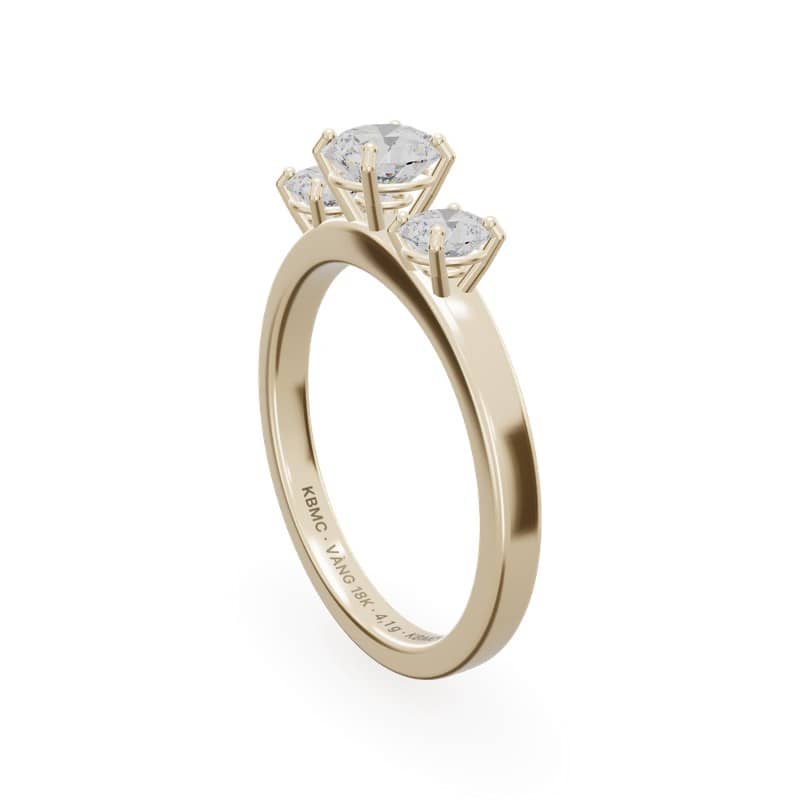
Laboratory-grown diamonds are increasingly popular because they cost far less than natural stones of the same size. They are a legitimate choice, provided the buyer knows exactly which one they are buying.
Same and different
| Natural | Laboratory-grown | |
|---|---|---|
| Structure | Crystalline carbon | Crystalline carbon, identical |
| Hardness | 10 on the Mohs scale | 10 on the Mohs scale |
| Formation | Millions of years underground | Weeks in a laboratory |
| Tell apart by eye | No | No; specialist equipment needed |
| Purchase price | High | Much lower |
| Resale value | Keeps a significant share | Low, falling with lab-grown market prices |
The risk for buyers
Because the eye cannot tell them apart, lab-grown stones can be mixed into natural parcels or sold undisclosed. The buyer pays a natural price for a lab stone and only finds out on resale.
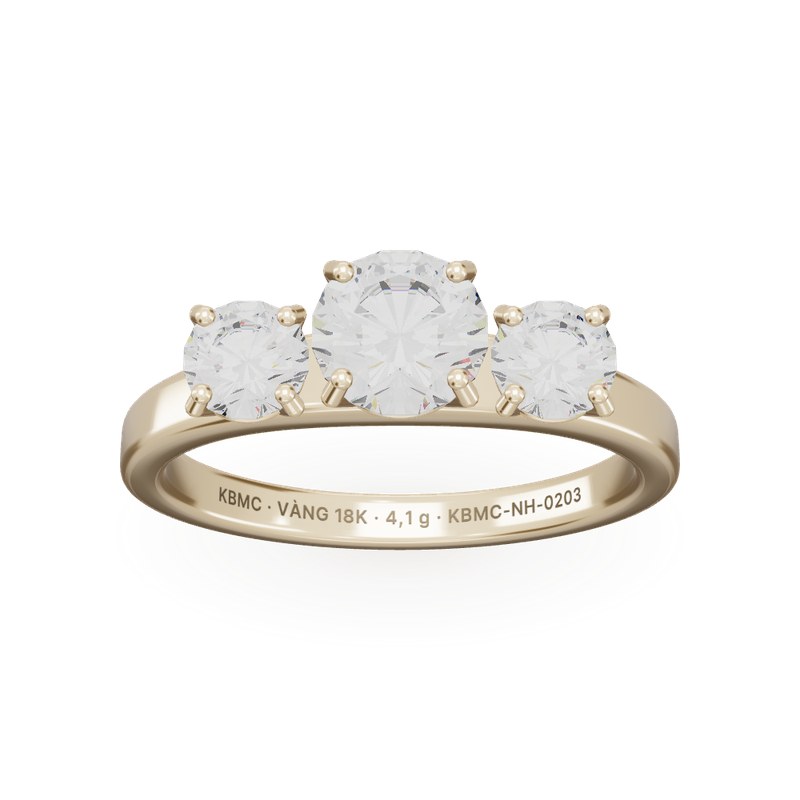
Kim Bảo Minh Châu commitments
- State "laboratory-grown diamond" on the tag, invoice, warranty card and product page.
- Separate them in display, pricing and storage.
- Screen every incoming stone with detection equipment before setting.
- Separate buy-back terms: certified natural diamonds at 70% of the stone price on buy-back, 90% on trade-in; lab-grown not bought back for cash, 30% on trade-in. Published in advance so you can weigh it up.
Which to choose
- A bigger stone on a set budget, resale not a priority: laboratory-grown makes sense.
- A piece that keeps value, to save or pass down: a certified natural diamond.
Either way, ask three questions: natural or lab-grown, which lab issued the report, what percentage is bought back. The answers belong on paper.
Pieces in this article
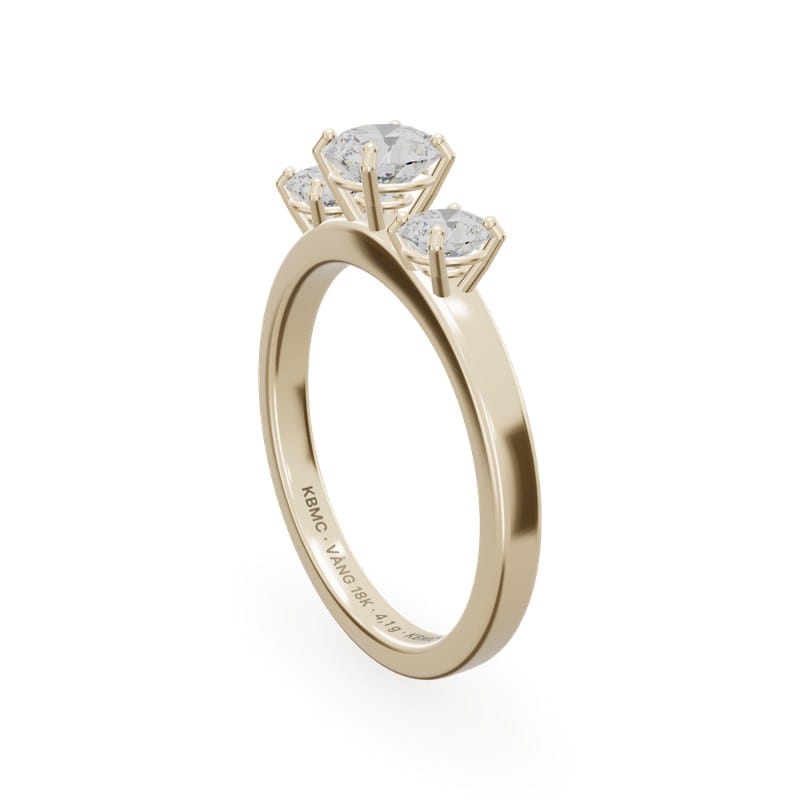 CLASSIC
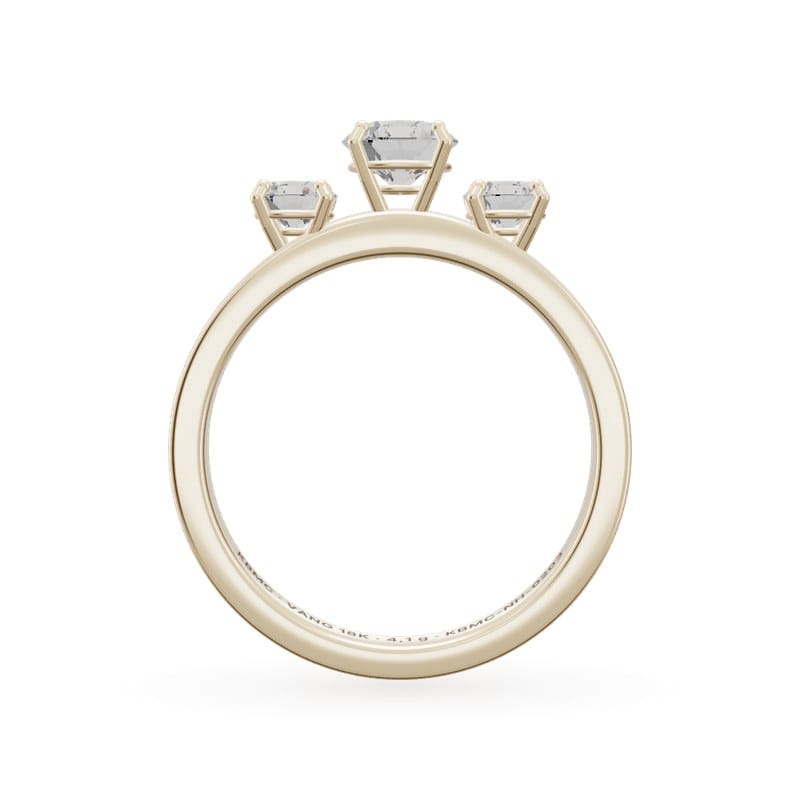
Three-Stone Ring
70,010,000 ₫
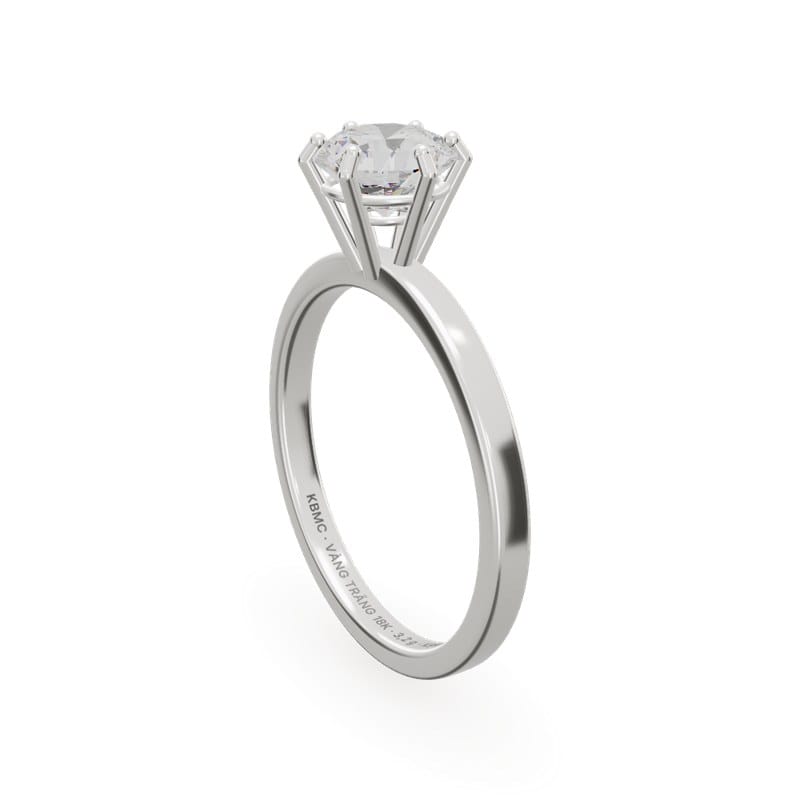
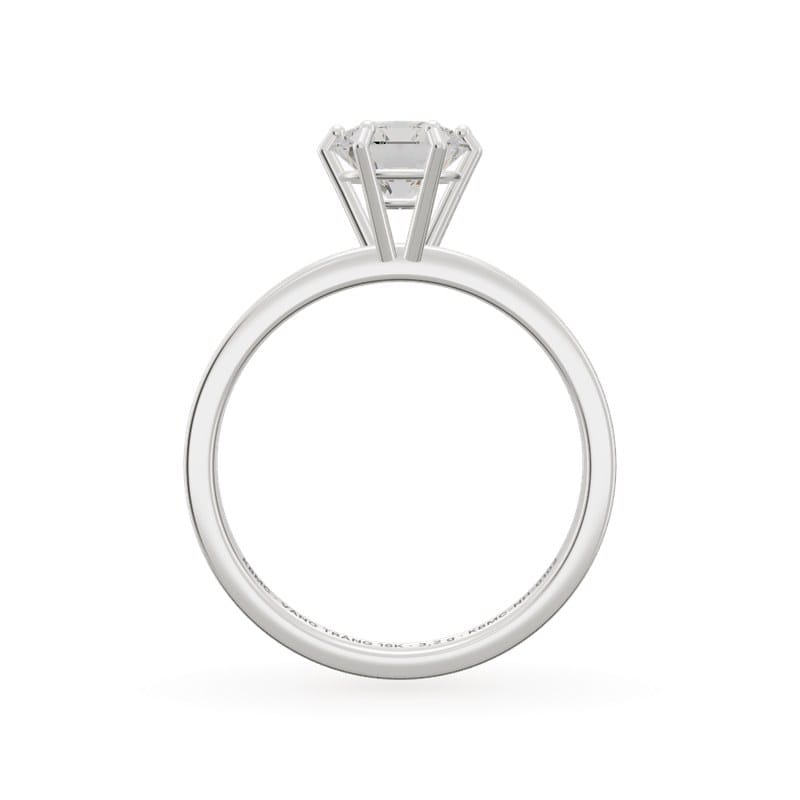
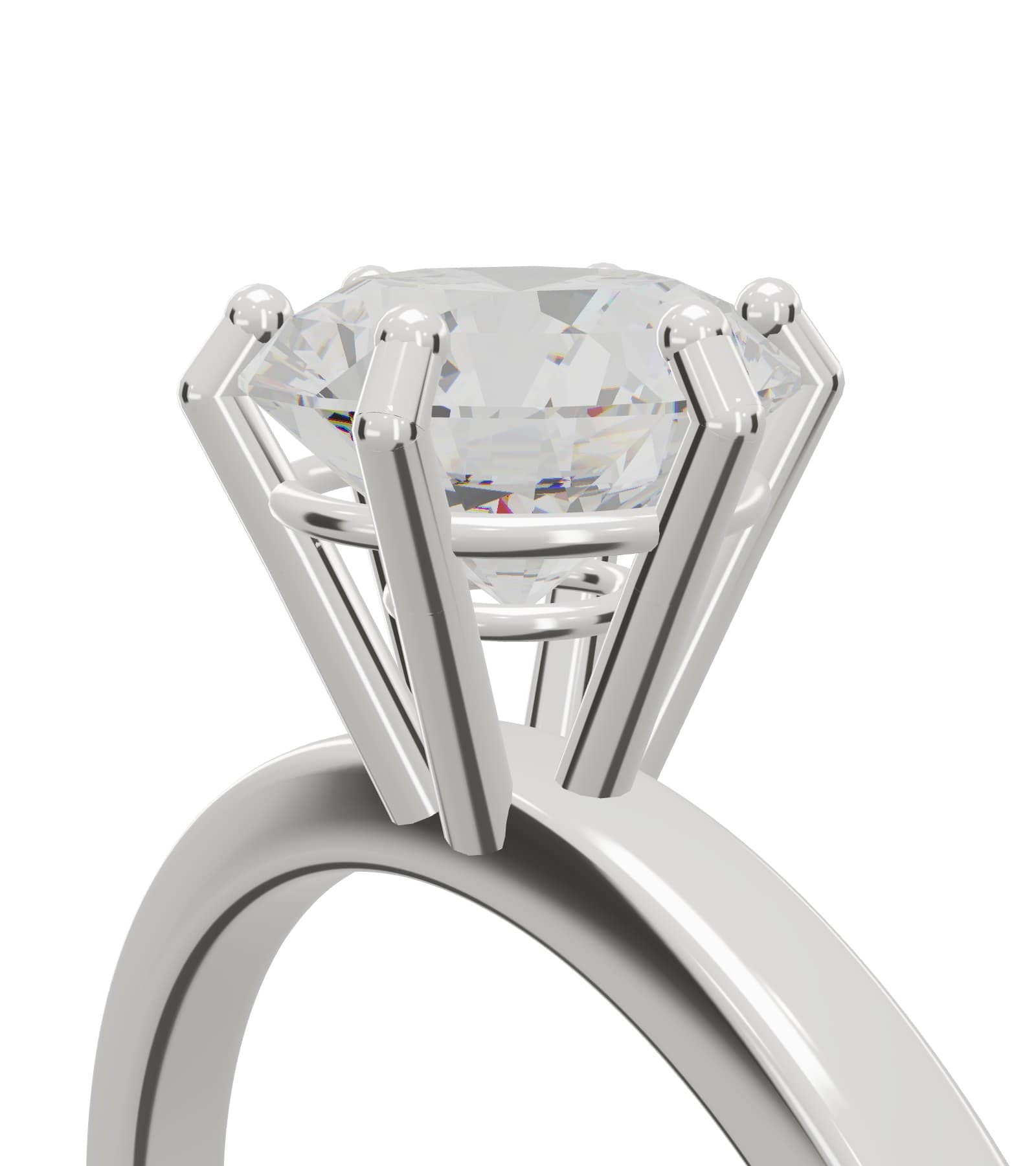
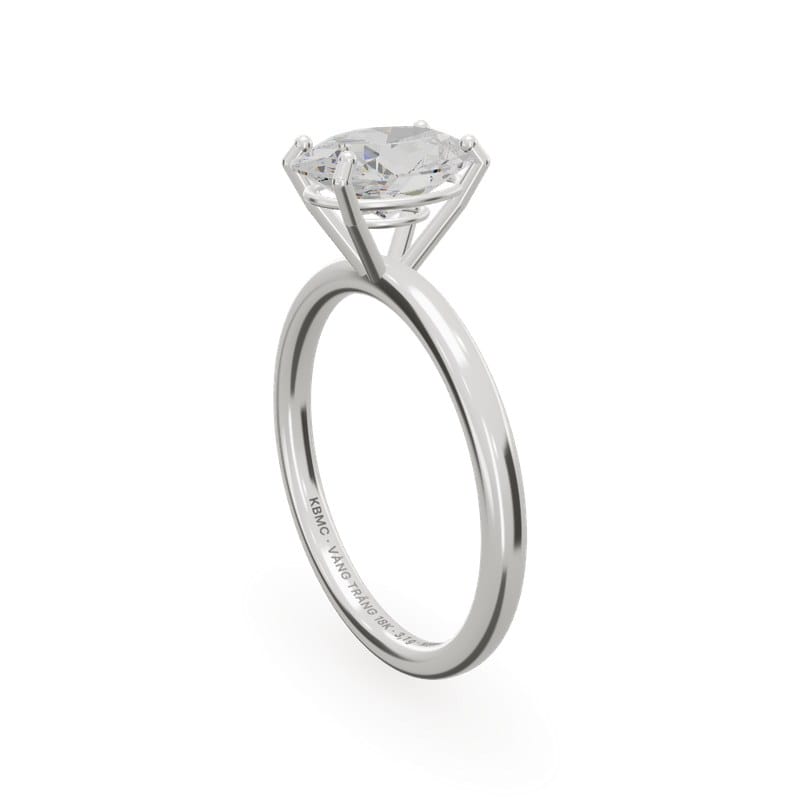
Six-Prong Solitaire Ring
95,430,000 ₫
 NEW
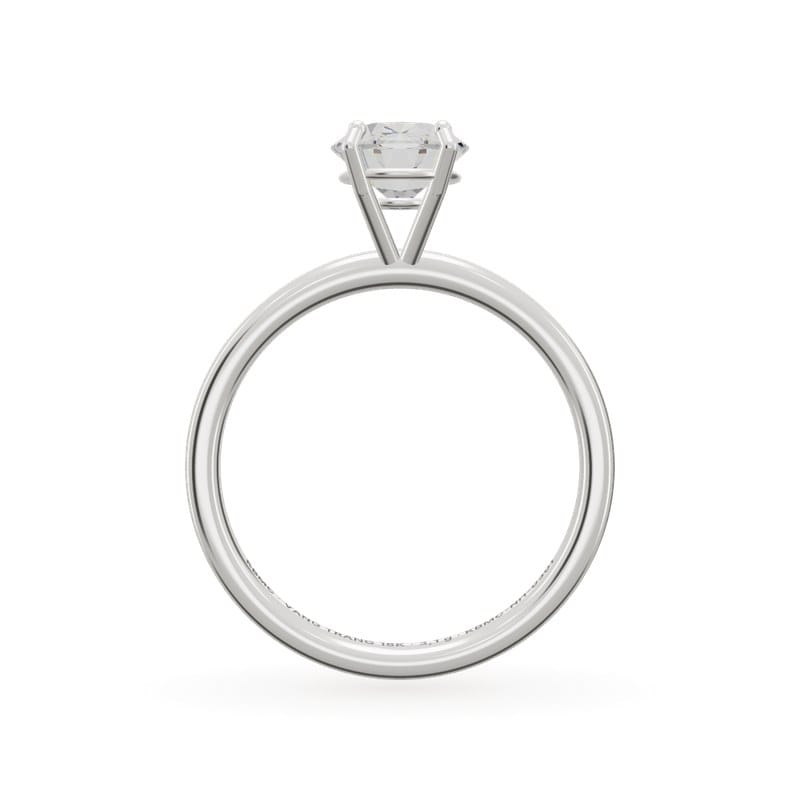
Moonlight Ring
180,300,000 ₫
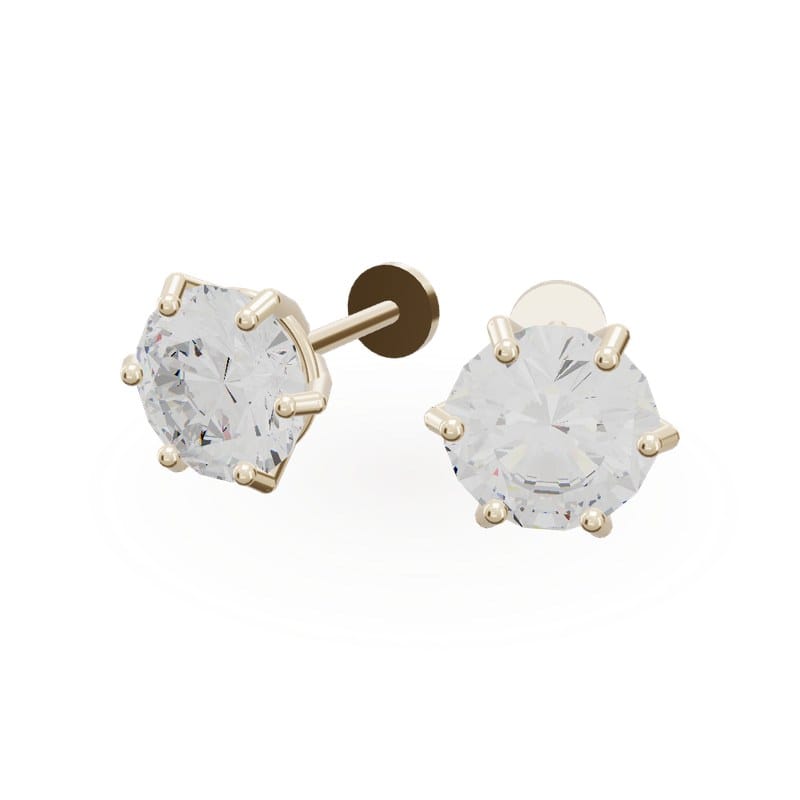
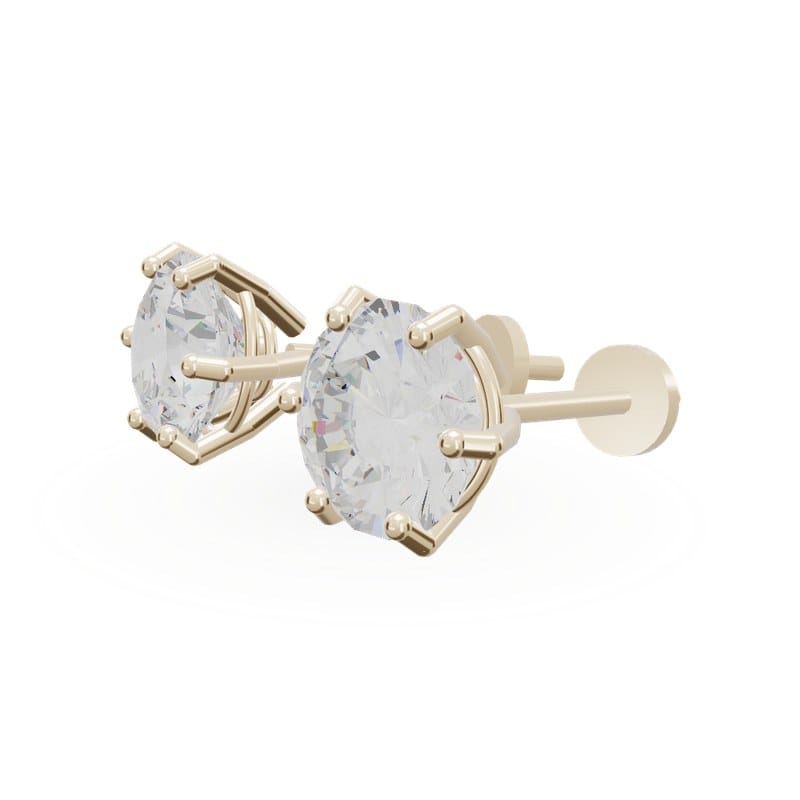
Six-Prong Stud Earrings
136,930,000 ₫